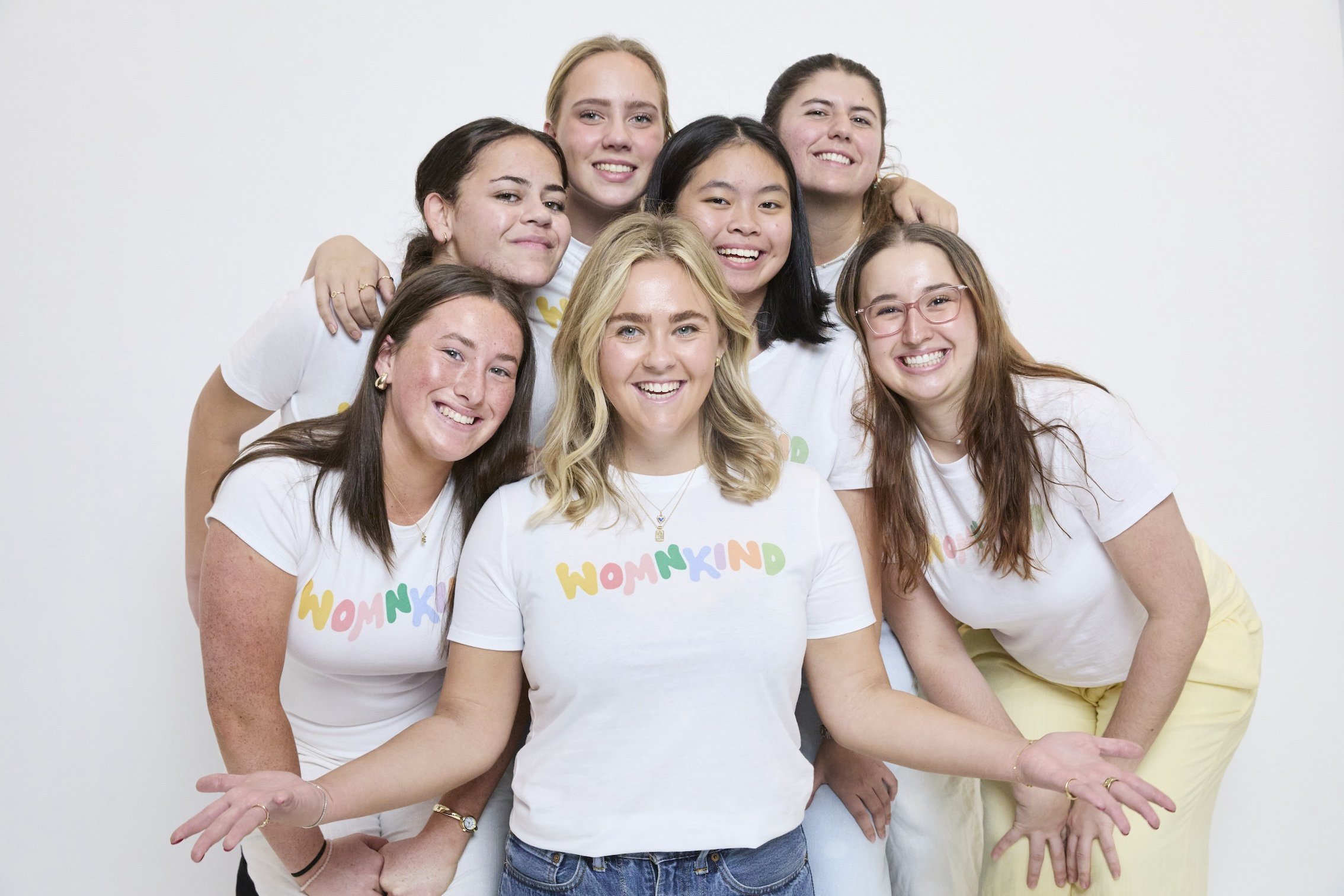
Meet Ruby Riethmuller
Ruby Riethmuller, founder and CEO of Womn-Kind, transformed personal mental health struggles into a mission-driven organisation. Now a Cartier Women’s Initiative fellow, she provides youth-led, preventative support to empower young people across Australia, with a particular focus on regional Australia. Thanks to the first-of-its-kind Womn-Kind app, that support also reaches young people worldwide.
Founder and CEO of Womn-Kind
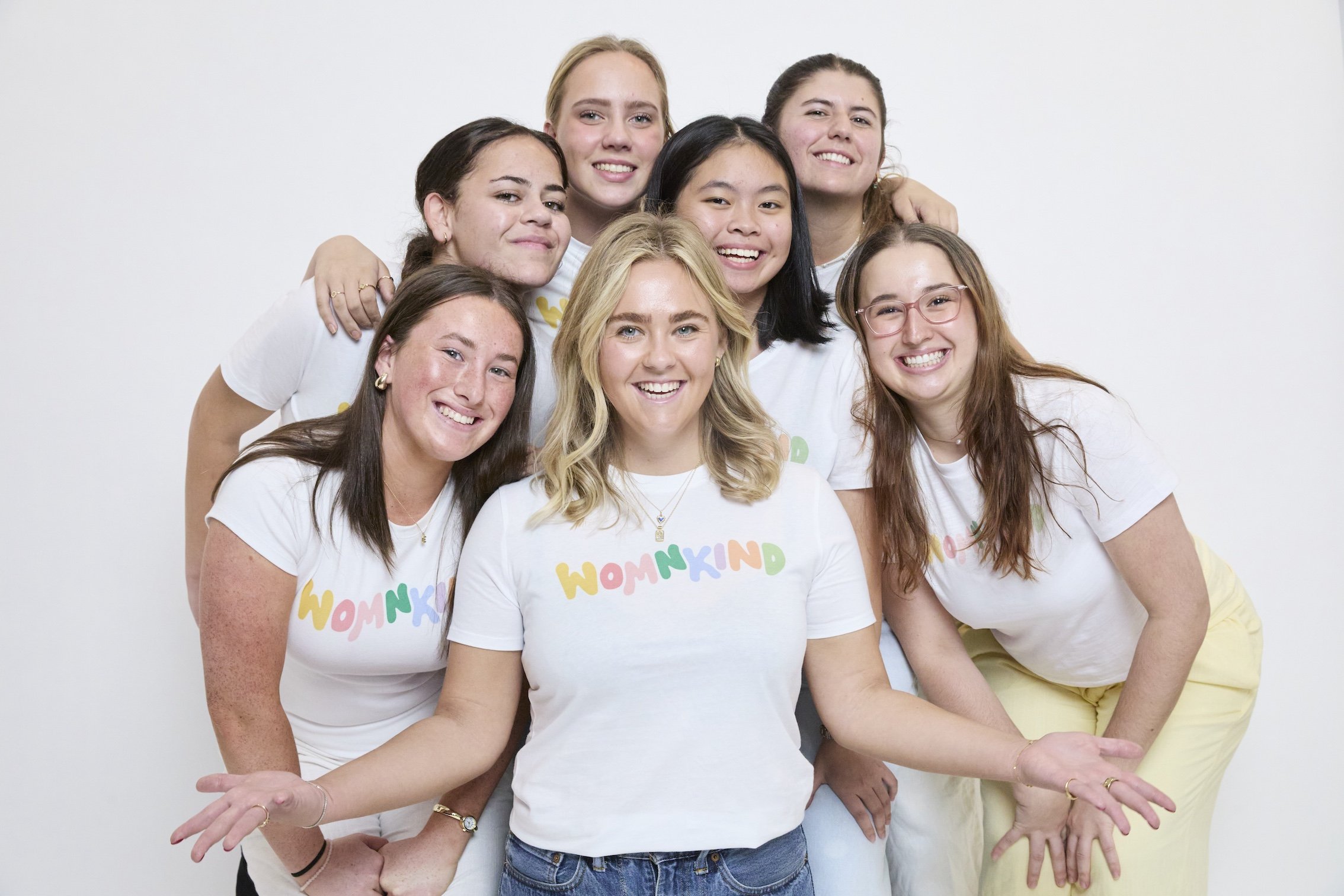
Ruby Riethmuller, founder and CEO of Womn-Kind, transformed personal mental health struggles into a mission-driven organisation. Now a Cartier Women’s Initiative fellow, she provides youth-led, preventative support to empower young people across Australia, with a particular focus on regional Australia. Thanks to the first-of-its-kind Womn-Kind app, that support also reaches young people worldwide. This is her story so far…
Growing up on a farm just outside of Wagga, my early years were shaped by the resourcefulness of my parents, who both ran their own small businesses. I saw firsthand the flexibility it took, but also the sheer hard work and the ‘where there's a will, there’s a way’ mindset required to make a regional business thrive. While I initially thought I’d follow a conventional corporate path, I quickly realised that wasn't where I was meant to be.
My journey into mental health advocacy was deeply personal. As a teenager, I struggled with my own mental health. On the surface, I was a high achiever – I had a big social group and was performing well at school – but underneath, it felt like a heavy weight on my shoulders. The psychologists I saw back then felt worlds apart from me; they were often much older, and that disconnect made me feel like there simply wasn't the right support available for someone like me.
The spark for what would eventually become Womn-Kind happened a few years after school during a weekend away with friends we call ‘Toolies’ – like Schoolies, but for older people (just looking for any excuse to plan a weekend away with their friends). As we started opening up about the things we’d navigated during our formative teenage years, it became obvious how isolated we’d been from each other by the very things we actually had in common. We all wished we’d been able to support each other in real time.
That realisation sent me down a rabbit hole of research, and I soon identified a massive gap for early intervention, preventative support that didn’t feel clinical. I wanted to create something youth-driven and friendly – like the advice you’d get from a big sister, but credible and easy to connect with.
Starting out took more courage than I expected. I wrote a business plan, set up a website myself using my marketing and design background, and began sharing the idea with my network. I learned that who you know doesn't have to be intimidating; it just means leaning on the people you do know, like old teachers, and asking them to connect you with others who can help you get closer to your goal.
A massive turning point for me wasn’t an award, but a shift in my own belief. When I first launched Womn-Kind, our message was “you are enough as you are”, but I didn’t quite believe that about myself yet. I’ve truly grown alongside the organisation. It took about three years of hard work, being honest with myself, and unpacking things like imposter syndrome to finally feel comfortable in who I am.
Today, Womn-Kind is on a mission to support one million young people by 2030. We deliver workshops focused on wellbeing, leadership, and belonging, with over 65 per cent of our services reaching regional, rural, and remote communities. We also have the Womn-Kind app, a first-of-its-kind social wellness tool where young people can get advice from qualified mentors and their own peers. I’m proud to say we’ve supported people from 37 countries through the app so far.
Being named a Cartier Women’s Initiative fellow has been an incredible experience. The seven-month application process was grueling, but it forced me to step back from the trenches and get clear on where we want to go. There were six or seven stages, including pitching to a jury panel, and they spoke to our stakeholders, customers, and team without me. They looked at our numbers and our impact before it ended in the final pitch. Now, with the support of mentors and new internal structures, we are hiring our first full-time team member (it’s previously been just me!) and growing our network across borders and sectors.
If I could share one piece of wisdom, it’s that we need to soften. My leadership is built on hope, and I believe we need to lean into emotive feelings like joy and love. To any woman in regional Australia thinking about taking a leap: just be bold. Put your hand up, ask for the meeting, and see what happens – no one is judging you for trying.